Blog
Does an Oil Boiler or Tank Need a Concrete Base?
Why the property matters
A concrete base is not automatically needed for every oil boiler installation. The right support depends on where the boiler and oil tank will sit, what equipment is being installed and what is already in place. A base that suits one property may be unnecessary or unsuitable at another.
The key is to assess the actual installation, not assume that an old base can be reused or that every new system needs one. If you are planning an Oil Boiler Installation, these property details help explain what an installer needs to consider.
The boiler and tank are separate considerations
People often refer to a single base for the boiler and tank, but they may be positioned in different places and need to be assessed separately. Some boilers are installed inside the property, while others are located externally. The tank has its own requirements, shaped by its size, position and how it is supported.
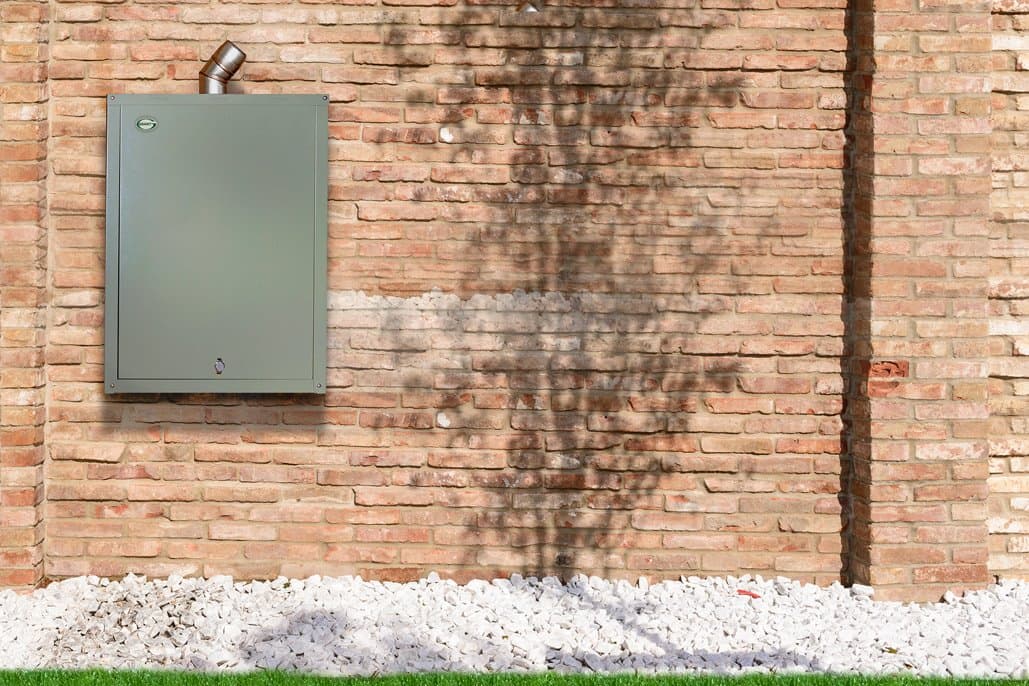
An external boiler needs an appropriate, stable place to stand. The design of the unit and the ground beneath it help determine what support is suitable. An indoor installation has different constraints, such as the available floor area and the condition of the surface where the boiler will sit. The fact that there is an existing concrete area nearby does not mean it is the right support for either appliance.
The oil tank also needs stable support. A tank becomes substantially heavier when filled, so the ground and supporting surface matter, not just the tank’s empty weight. If a boiler and tank are close together, their positions still need to work for access and maintenance rather than simply fitting within the same prepared area.
Existing bases are not automatically reusable
A base that has supported equipment for years can look sound while still being unsuitable for a new installation. Its size, position, level and condition need to suit the equipment going onto it. Cracking, movement, unevenness or soft ground around it may all be reasons to investigate further.
Equipment changes can also alter what the site needs. A replacement boiler may have different dimensions or a different position from the old unit. The tank may remain where it is, move to another location or be a different size. Each change affects whether the current supports remain appropriate.
This is why “there is already a base” is useful information, but not a decision in itself. An installer needs to consider what will sit on it and whether the base and surrounding ground are suitable for that arrangement.
Position, access and ground conditions
The available space can influence the practical choice of location. The boiler and tank need to be accessible for work and future maintenance. A position that appears convenient from indoors may be awkward to reach, while a clear area may have ground that is not suitable for the intended support.
Drainage and the slope of the ground are also worth considering when assessing an outdoor position. Water collecting around a support or ground that shifts can affect its condition over time. The answer depends on the site itself, so a general rule about one type of base cannot replace an inspection of the proposed location.
Access matters during installation, too. Narrow routes, steps, boundaries or limited working space may affect where equipment can be positioned and how preparation can be carried out. These details are specific to the property and should be considered before the installation plan is settled.
What to have ready for the assessment
You do not need to decide in advance whether a new concrete base is required. It is helpful to explain where the current boiler and tank are, whether either has been moved, and whether you have noticed cracking, unevenness or water collecting around an existing support. If you have them, photographs of the equipment and the proposed location can help start the conversation, but they cannot confirm that a base is suitable.
Avoid trying to level, extend or repair a support yourself as a way of preparing for installation. The correct solution depends on the equipment and the site. The installer can assess whether the existing arrangement can be retained, needs alteration or requires new preparation.
A site-specific answer
The decision comes down to the boiler’s position, the tank’s support, the condition of the ground and whether existing bases suit the equipment being installed. A new base may be needed for one part of the system but not another. In other cases, the existing support may be suitable after it has been assessed.
Here at Domestic Plumbing and Heating, we install oil boilers in Nuneaton and surrounding areas, including Narborough, Bedworth and Hinckley. As an OFTEC-registered business, we can assess the property and explain what preparation the installation requires. Contact us to discuss your setup and arrange a site assessment.
Other Articles